Registered user login (optional)

Username: Password:

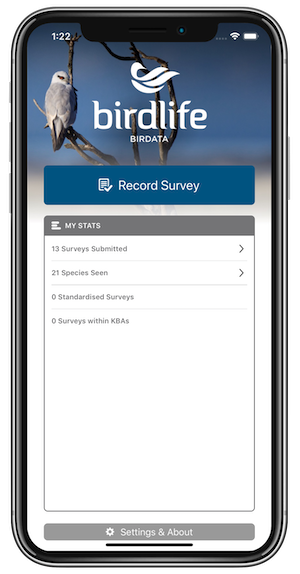
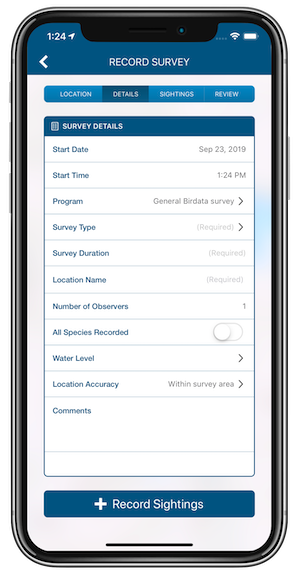
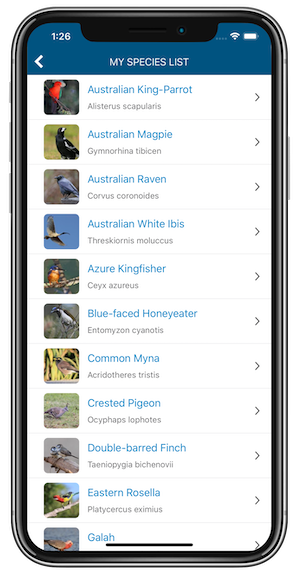
Birdata is your gateway to BirdLife Australia data including the Atlas of Australian Birds and Nest record scheme. You can use Birdata to draw bird distribution maps and generate bird lists for any part of the country. You can also join in the Atlas and submit survey information to this important environmental database.


Birdlist by postcode

To get a quick birdlist, enter an Australian postcode:

Welcome to Birdata 18 May 2012

Purple Swamphen: Harlequin of the swamps

© John M. Peter

Unlike many wetland species which have dull plumage to aid camouflage among the rank vegetation, the Purple Swamphen has a resplendent purple-blue neck, breast and belly, and a gaudy, oversized bill and frontal shield, both of which are bright red, as are its beady eyes. And when a Swamphen walks away from you, it usually flicks its tail up and down to reveal a gleaming white rump, which contrasts with the bird's black upperparts. The entire combination is dazzling when ambling across a sunlit grassy sward.

Despite this vivid polychromatic effect, Purple Swamphens can be surprisingly difficult to spot when they are hiding quietly and inconspicuously among a swaying bank of reeds or rushes, and sometimes it is not until they are flushed into clumsy flight that their presence becomes obvious.

Though most Purple Swamphens are sedentary, readily remaining at their chosen wetlands, a few are far more adventurous. This wanderlust has been illustrated by the establishment of populations of Swamphens on both Lord Howe and Norfolk Islands in the late 19th century. These birds originated from populations in eastern Australia or, perhaps, New Zealand, so this must have entailed flying vast distances over the open ocean -- no mean feat for such an ungainly flier. Movements across Torres Strait are also often recorded, with Swamphens presumably island-hopping across the scattered archipelago, and a number of Swamphens banded at Townsville, in northern Queensland, have been recovered at various sites in New Guinea, up to about 1600 kilometres away.

If you want to discover more information about this species or any other birds that occur in Australia, just take a little time to explore the Birdata website, or visit the Birds Australia website at www.birdsaustralia.com.au . You never know what you might find.


Last week: Masked Woodswallow

Next week: Red-capped Flowerpecker

print